On ¡Que Viva México! 1932 (released 1979)
Dir. Sergei Eisenstein – Mexico, USSR – Essay Film
“Север, юг, восток, запад.” Сотни километров дорога, тысячи футов фильм. Дикий опус Эйзенштейна очень похоже стране он было пытаться захватить.
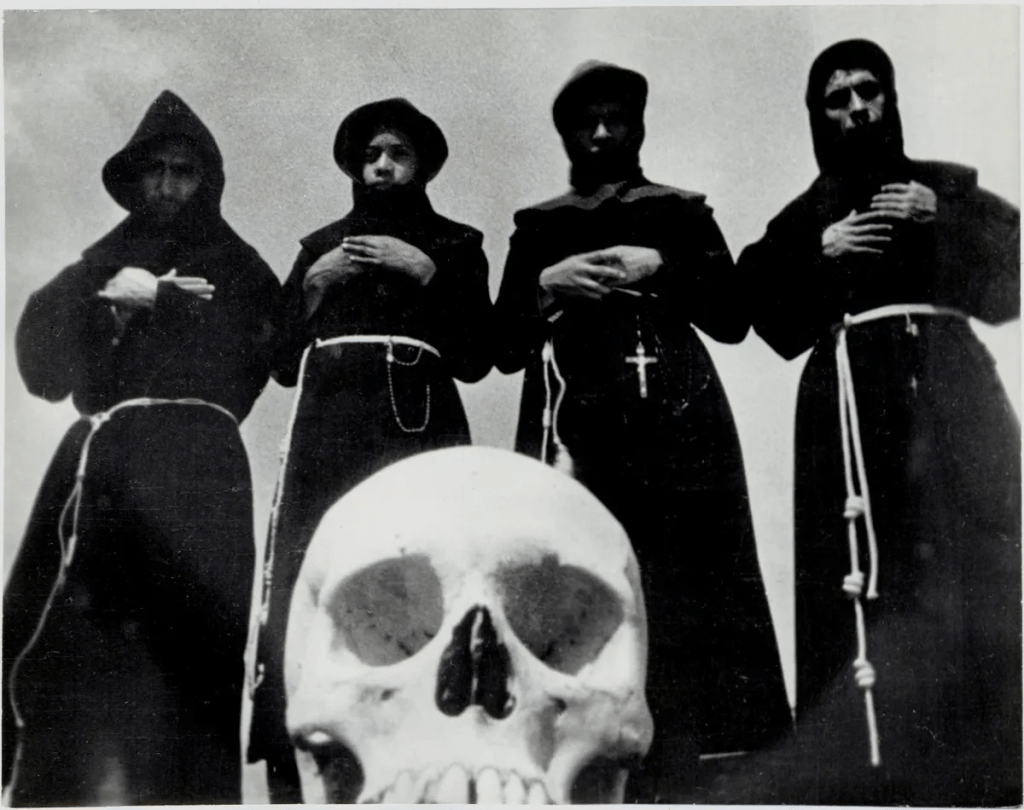
“North, South, East, West.” Hundreds of kilometres of road, thousands of feet of film. Eisenstein’s wild opus is very similar to the country he was trying to capture.
Eisenstein’s 40 year-late masterpiece is an epic, lucid history of Mexico from the Mesoamerican to the then-young democratic republic of the United Mexican States, recounted through documentary and fiction, parallel. Despite being only 80 minutes in length total it is all-encompassing, carries a range of styles and manages to feel more than whole. The 6 sections are each different from the last. I hate to overuse the word sprawling, but, it’s sprawling.
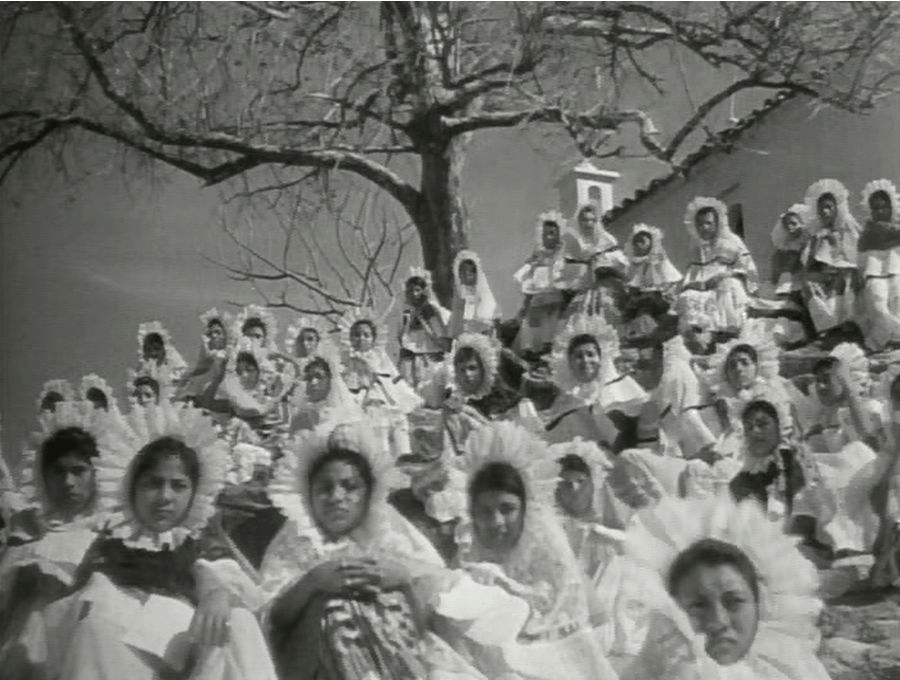
Prologue and Sandunga both contain dramatic retellings which rely on Flaherty’s ideas on ethnographic films and early documentary, with locals being cast as precolombian Mayans in Yucatán and pre-revolution rural civilians in Oaxaca. It’s effective, and Bondarchuk, Eisenstein’s codirector who survived him and completed the film to its state today, adds a lot with commentary. The filmmaking remains fairly plain, but builds solid groundwork to convey the message that the USSR was after. The third section, Fiesta, brings the style more in line with contemporary documentaries of the 70s – the footage improves even more here: Eisenstein captured the 400th anniversary celebrations of Our Lady of Guadalupe, with pilgrimages taking place, and with crucified penitents ascending to the cathedral. Later, star bullfighter David Liceaga Maciel is pictured in a montage in a real bullring with spectators and the bull is actually killed – this was pretty tough to watch.
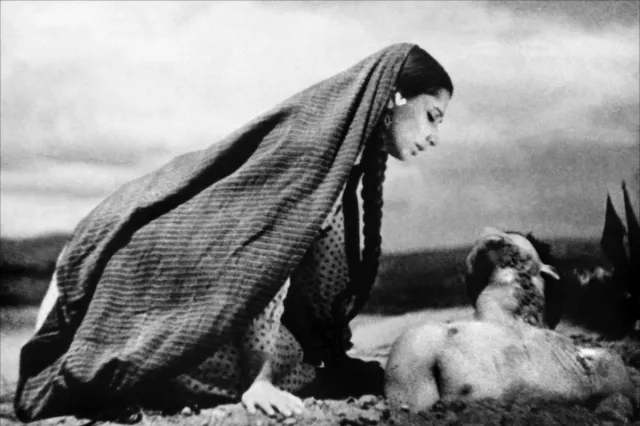
The fourth novella is the standout piece for me. Here, the film turns full-on Western, a tragic love story between a peasant worker, Sebastian, his fiancée, Maria, and his hacendado boss who abuses her. There is a long shootout which caught me off-guard and has not only great tension, but detail too – cacti are used as effective cover, bullet holes form eyes and leak what look to be tears, and ammunition is pushed into stems. His attempt at retribution turns sour and both the chase and his capture are emotive, thanks to the highly expressive actor (despite the sound overdubbing, this was effectively filmed silently!) It’s extraordinary. The stare down between Sebastian and his guard is ridiculously homoerotic too, something which I am sure was deliberate from the director, being gay himself. The devastating moment is in the consequences of this episode, where los peones are buried up to their necks in the desert sun and horrifically trampled by the horses of los pulqueros who caught them. Maria holds her fiancé to herself in the sand.
We then cut to Alexandrov who is screening the film on an oversized screen with the reels in front of him. It’s surreal not that the last episode, Soldadera, could not be filmed due to budget constraints, but that one of the directors explains it to you 80% of the way through the film. This would have been the most captivating section, as it would describe the role of the women soldiers who fought during the revolution. The epilogue then finally arrives in a burst of excitement of celebrations for El Día de los Muertos – dancing, eating off gravestones, fabulous bejewelled outfits and masks, its a deep shame this wasn’t filmed in colour, because what a record that would have been. The cynical twist at the end is just the cherry on the cake for me – adding in some final communist quip is just the poetry it needed.
The production of the picture is the stuff of legend, and the amount of footage shot is insane, around 200,000 feet in total, as referenced in Greenaway’s Eisenstein in Guanajuato, before finally being stopped by the Mexican Film Trust. Overambitious, yes, but, if there was anyone to do a film of this scale it were to be Eisenstein, with this team, Upton Sinclair producing, meeting Frida Kahlo and Diego Rivera, letting his art flourish. I wonder what he would think of it.
 The Mezzanine